
What Leaders Can Learn from Taylor Swift’s Eras Tour Part 2: Employer Brand & Alignment
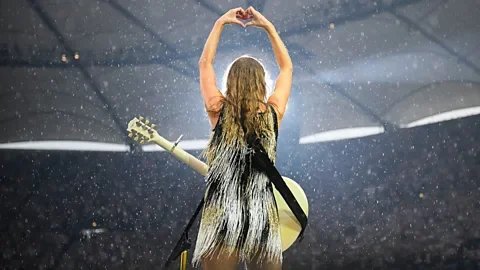
Culture isn’t built in the big moments. It’s built in how people feel… together.
In Part 1, we explored what the Eras Tour teaches us about leadership and culture: psychological safety, belonging, and the invisible work that allows teams to perform at their best.
But there’s another layer to this story that founders and CEOs can’t afford to overlook:
Employer brand, culture and leadership are not “nice to have” concepts.
They are strategic business assets.
They directly shape your ability to attract talent, retain your best people, protect your reputation, and ultimately drive sustainable profit and growth.
When these three are aligned, businesses accelerate.
When they’re not, everything becomes harder than it needs to be.
1. Your external brand is only as strong as your internal reality
What makes the Eras Tour so powerful isn’t just the show itself, it’s the consistency of the experience.
The Taylor Swift brand that fans buy into.
The culture lived by her dancers, musicians and crew.
The leadership style we see behind the scenes.
They all tell the same story.
That coherence is what makes the Eras Tour feel so emotionally safe and connected for the audience. In fact, many attendees described the tour as one of the safest, most welcoming spaces they had ever been in, a crowd of thousands of strangers united by a shared experience, shared respect, and shared care.
And some of that came from the smallest details.
Taylor has just a brief line in one song referencing friendship bracelets. Yet that single moment created a global ritual, strangers making gifts for each other, trading stories, building instant community before they’d even entered the stadium.
That’s the power of alignment between brand and culture: small signals, amplified into massive emotional impact.
2. The small moments do the heavy lifting
Some of the most meaningful stories about Taylor aren’t the viral ones.
They’re the quiet, human decisions:
writing handwritten notes to every crew member
acknowledging the sacrifice of time away from families
donating to children’s charities in every tour city, without turning it into a marketing campaign
The handwritten notes alone would have taken hours upon hours of her time.
They weren’t efficient.
They weren’t scalable.
They were deeply personal.
And those notes, not just the bonuses, are what her team will carry with them for the rest of their lives.
This is what real culture work looks like.
Culture is built in the moments no one is measuring.
3. Employer brand is shaped when no one is watching
Taylor’s reputation as an employer doesn’t come from polished employer branding campaigns.
It comes from:
dancers telling their stories years later
crew choosing to return tour after tour
people speaking about how it felt to work with her
Your employer brand isn’t what you publish. It’s what people repeat.
For founders and CEOs, this is both confronting and empowering, because it means you already have an employer brand, whether you’ve consciously built one or not.
The work is learning to listen for it:
asking people what working here is really like
noticing what stories get shared
paying attention to why people stay… and why they leave
That’s how you begin to leverage culture as a competitive advantage.
Why founders should care
Your brand is not what you say it is.
It’s what people experience, and what they carry with them.
When leadership, culture and employer brand are aligned:
trust strengthens
retention stabilises
recruitment becomes easier
and growth becomes less fragile
You don’t build a magnetic brand by perfecting the external image.
You build it by leading with integrity on the inside first.
And that’s the lesson the Eras Tour keeps teaching over and over again.
Part 3 will explore sustainable leadership: energy, boundaries, burnout, and knowing when a season has run its course.